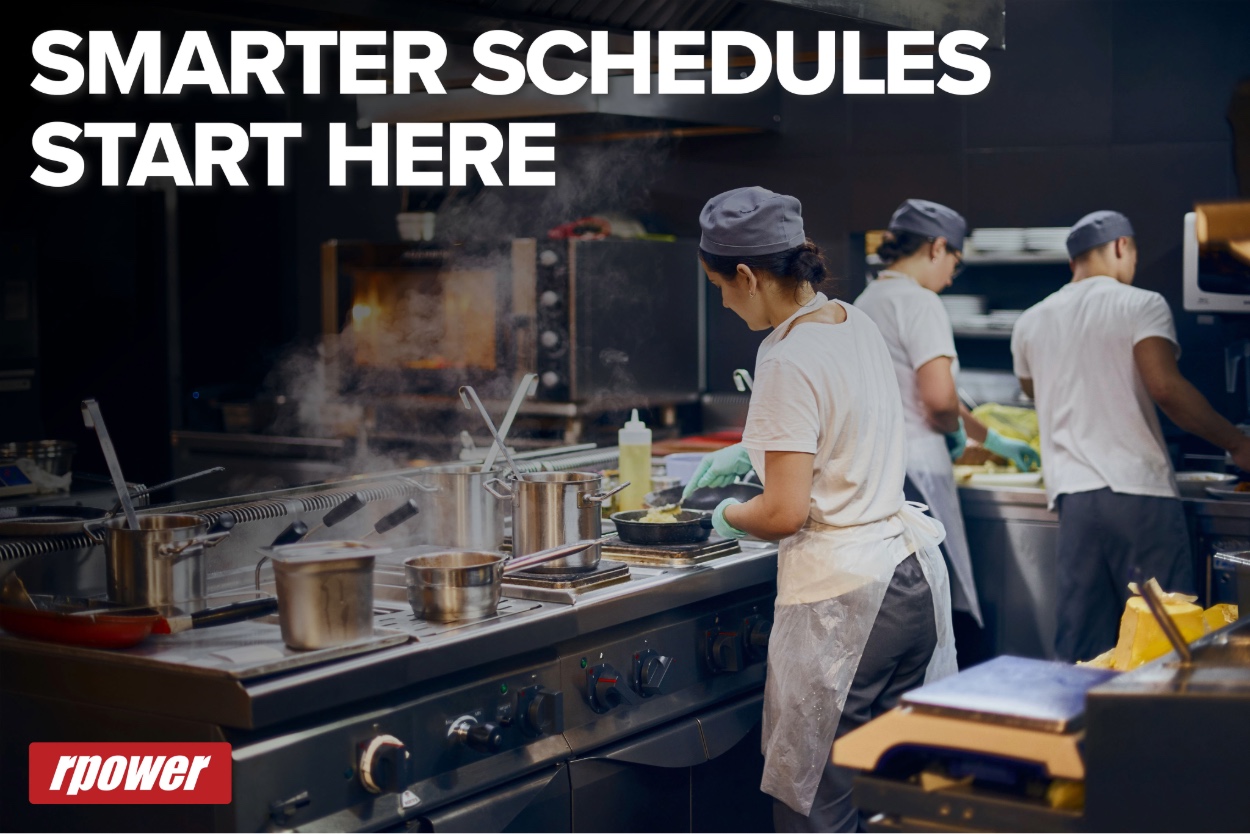
Labor Smarter, Not Harder: How POS Reporting Can Strengthen Your Team
Few challenges have tested restaurant operators more over the last several years than labor. Hiring remains competitive, employee expectations continue evolving, and labor represents one of the largest costs most restaurants manage. At the same time, guests still expect fast service, friendly interactions, and a consistently great experience every time they visit.
That creates a difficult balancing act. Schedule more people than the restaurant needs and labor costs can quickly put additional pressure on profitability. Schedule too few and employees become overwhelmed, service slows down, managers spend the shift putting out fires, and guests notice the difference. The answer isn't simply adding more staff or cutting hours. It's making better-informed decisions about when and where your team is needed most.
Restaurant operators have access to more information than ever before to help make those decisions. Every shift produces data about sales, transactions, peak periods, labor, and operational patterns. With RPOWER Reporting & Analytics, managers can use that information to better understand what's happening in the restaurant and combine it with something equally important: their own experience leading the team.
Because data shouldn't replace restaurant management. It should give managers a clearer picture to manage from.
Every Shift Leaves Behind Valuable Information
Restaurant managers make dozens of staffing decisions every week. How much coverage does Friday dinner typically need? When does lunch traffic start building? Does the restaurant need the same staffing level at 4 p.m. that it needs at 7 p.m.? Does a particular daypart perform differently during certain times of the year? Experienced managers develop instincts about many of those questions, but reporting can help confirm those instincts or reveal patterns that aren't as obvious from the dining room floor.
Imagine reviewing several months of sales activity and discovering that Thursday evenings have gradually become stronger while Tuesday lunches remain remarkably predictable. Maybe Saturday traffic starts building an hour earlier than it did six months ago, or a promotion that was expected to increase business on a slow night actually shifted demand into a different daypart. Those patterns can influence how managers think about coverage, breaks, shift changes, and where additional support may be most useful.
RPOWER Reporting allows operators to review restaurant performance across different periods and dig deeper into the activity behind the sales totals. The RPOWER Dashboard also gives managers access to important restaurant information from virtually anywhere, making it easier to keep a pulse on the business without waiting until the end of the week to understand what happened.
Historical reporting and real-time visibility serve different purposes, and restaurant leaders benefit from having both. Historical data helps answer, "What normally happens?" Current information helps answer, "What's happening right now?" Together, they can give managers more context for the decisions they're already making.
Better Information Can Lead to Better Staffing Decisions
Creating a restaurant schedule involves far more than matching a certain number of employees to a projected sales number. Managers have to consider employee availability, experience levels, events, reservations, weather, seasonal traffic, promotions, and dozens of other factors that can influence a shift. Reporting doesn't eliminate that complexity, but it can provide a stronger starting point.
Consider a restaurant preparing for a major football weekend. Instead of simply assuming Saturday will be busy, management can look at comparable weekends and see when sales began increasing, which hours produced the most activity, and how long the peak lasted. If the restaurant consistently builds earlier than expected on game days, that information can help managers think more carefully about when coverage is needed rather than simply adding more people to the entire shift.
The same principle applies when business is slower. If reporting shows that a particular period is consistently predictable, managers can use that information as one factor when making staffing decisions. The objective isn't to squeeze more productivity out of fewer employees. It's to better align available resources with actual demand so the restaurant isn't repeatedly caught with too much or too little coverage.
That balance matters for employees too. A team that is constantly understaffed can spend every shift trying to catch up, while inconsistent or unnecessary scheduling can create frustrations of its own. Better information gives managers another tool for building shifts that make sense for the restaurant and the people working in it.
Use Reporting to Ask Better Questions About Performance
Restaurant data can also help managers understand what's happening within a shift, but numbers should always be viewed in context. A sales report can tell you what someone sold. It can't tell you everything about how that employee contributed to the guest experience, helped a teammate through a rush, handled a difficult table, or supported the restaurant in ways that aren't captured by a transaction.
That's why reporting works best as the beginning of a conversation rather than the final judgment. If one server consistently generates strong sales, a manager might look more closely at why. Are they especially good at explaining specials? Do they have strong menu knowledge? Are they working a section or shift with different opportunities? If another employee's numbers change noticeably, is there something happening operationally that deserves attention?
Managers can use information from the POS alongside what they see on the floor, guest feedback, employee conversations, and their own knowledge of the restaurant. Sometimes the numbers will reinforce what they already know. Other times, they'll give leadership a reason to look more closely.
Reporting can also help uncover positive patterns worth recognizing. Maybe a team consistently handles a difficult shift particularly well. Perhaps a bartender has developed an effective way to introduce featured items, or a manager has helped improve the flow of a previously challenging daypart. Recognition is most meaningful when it's connected to the full picture of an employee's contribution, and restaurant data can provide one more piece of that picture.
Real-Time Visibility Helps Managers Respond to the Shift They Actually Have
Historical reporting is valuable for planning, but restaurants don't always behave according to the plan. A forecast can say one thing while the dining room says something completely different.
Maybe an unexpected event brings in more guests than anticipated. A patio fills earlier because the weather is perfect. Online orders suddenly increase. A normally busy evening turns out to be unusually quiet. These are the moments when managers need to stop managing the shift they expected and start managing the one that's actually happening.
Real-time visibility can help. With the RPOWER Dashboard, operators can access current restaurant information from a web browser or mobile device, helping them stay connected to sales and activity even when they aren't standing next to the POS terminal. For a multi-location operator, that visibility becomes even more useful because leadership can get a clearer picture of what's happening across the business without needing to call every location for an update.
The numbers still require human context. A sudden sales increase doesn't tell a manager why it happened, and a slower hour doesn't automatically mean staffing should change. But timely information gives restaurant leaders an earlier opportunity to investigate, ask questions, and make informed adjustments instead of discovering the story after the shift is over.
Stronger Teams Create Better Guest Experiences
The value of labor reporting ultimately extends beyond labor percentages and sales-per-hour calculations. Guests feel the difference between a team that is supported and one that is constantly trying to catch up. They notice when servers have time to engage naturally, when bartenders aren't buried, when managers can be present on the floor, and when service feels organized instead of rushed.
Think about two restaurants serving similar food at similar prices. In one, employees are stretched thin, service feels frantic, and the manager spends the night reacting to problems. In the other, staffing is better aligned with demand, employees have the support they need during peak periods, and the manager has enough visibility to stay ahead of issues before they become obvious to guests. The difference may begin with an operational decision behind the scenes, but the guest experiences the result.
That's why the best use of labor data isn't simply finding places to reduce costs. It's understanding how labor, sales, service, and the guest experience interact. Restaurant operators need to protect profitability, but they also need to protect the experience that keeps guests coming back. Better information can help them make decisions with both priorities in mind.
Data Doesn't Replace Great Leadership. It Supports It.
The best restaurant managers don't lead from a spreadsheet. They rely on experience, communication, intuition, observation, and relationships with their employees. They understand that two shifts with identical sales can feel completely different depending on the circumstances behind the numbers.
Reporting adds another layer to that knowledge. By giving restaurant leaders clearer visibility into sales trends, labor information, peak periods, and operational patterns, RPOWER can help managers ask better questions and make decisions with greater context. Historical reports can help identify patterns worth planning around, while real-time Dashboard access can help operators understand how the business is performing as the day unfolds.
The goal isn't perfect scheduling based on an algorithm or squeezing every possible minute out of the labor budget. It's having better information available when real people need to make real restaurant decisions.
Because smarter labor management isn't about asking your team to work harder. It's about giving managers the insight they need to help the whole team work better.
Give your managers a clearer view of the business.
Discover how RPOWER Reporting & Analytics can help restaurant operators understand performance, identify patterns, and make more informed decisions for every shif